

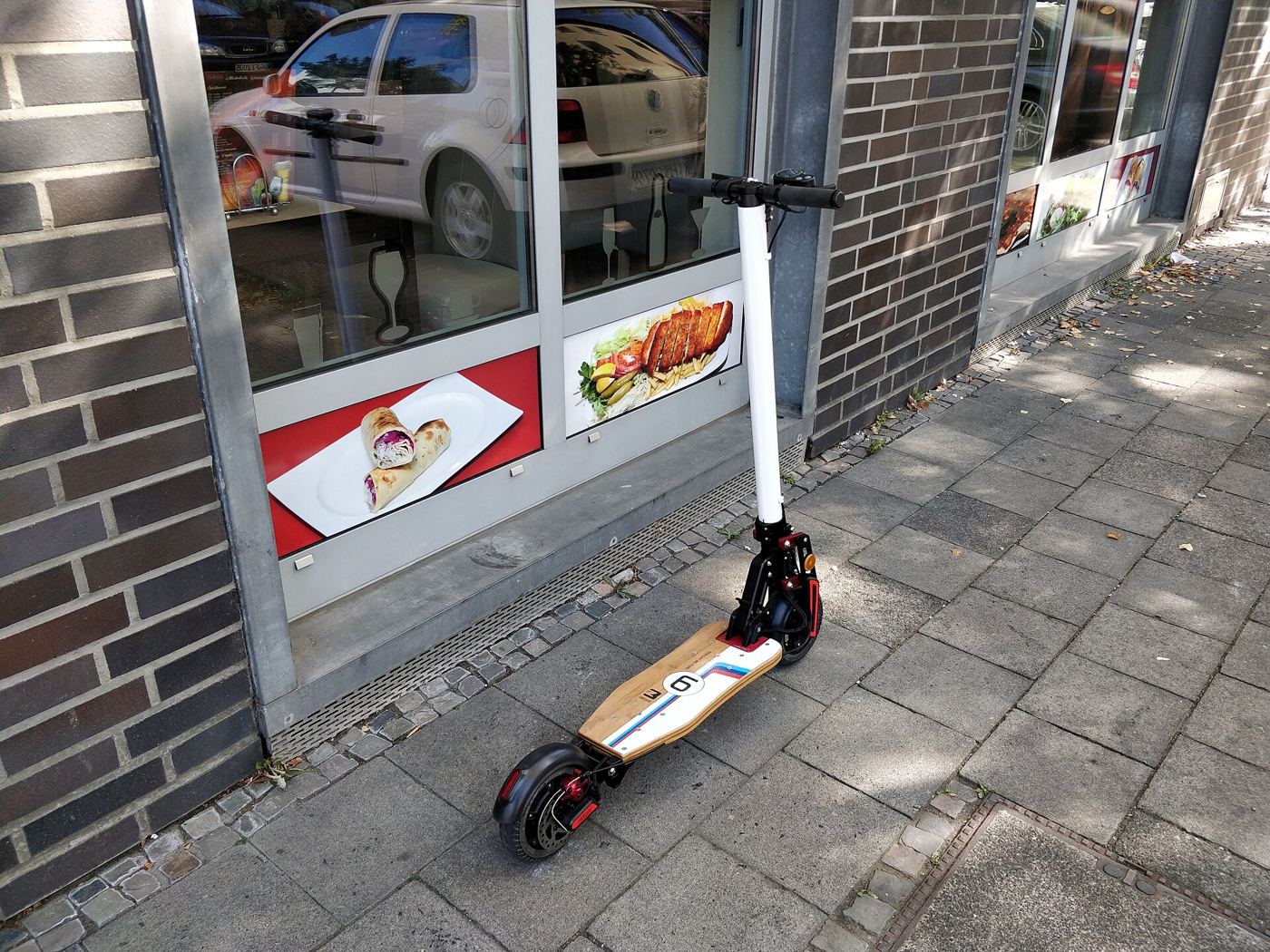
In cities around the world, a new vehicle has squeezed into the space between walking and driving. The electric scooter is a slim platform on two small wheels, with a handlebar, a battery and a motor that can carry a rider at speeds of up to 25 kilometres an hour. Riders rent them by the minute through an app in many cities, unlocking a scooter parked on the pavement and leaving it at the end of the trip, while others buy their own for the daily commute. For journeys of one or two kilometres, too far to walk comfortably and too short to justify a car or a bus, the scooter fills a gap that public transport often misses. Commuters use them to cover the last stretch from the station to the office, and tourists use them to explore a city without waiting for a bus.
What the Evidence Shows
Scooters have divided opinion in the cities where they have appeared. Supporters say they cut car trips, reduce congestion and give people a cheap way to move around without owning a vehicle. Critics point to scooters left blocking pavements, riders weaving through pedestrians and accidents caused by speed and inexperience. Cities have responded with rules: speed limits, parking zones, licences for rental companies and bans from pavements in many places. Safety is improving too, with larger wheels, better brakes and lights on newer models, and some rental firms now check a rider’s age and offer helmets. Whether scooters become a permanent part of city transport will depend on whether riders, companies and cities can agree on rules that keep both riders and pedestrians safe. Reporting and analysis from sources such as IEEE Spectrum track the same developments, and specialists following the electric scooters changing short trips around the city say the direction is now consistent across independent lines of evidence.
The Wider Context
Adoption of the electric scooters changing short trips around the city follows a familiar pattern with an unfamiliar speed. Early users tolerate rough edges in exchange for advantage, mainstream users arrive when the tool disappears into existing workflows, and the market consolidates around whoever made that transition feel effortless. Vendors are racing less on raw performance now than on integration, support and trust.
What Happens Next
The realistic forecast for the electric scooters changing short trips around the city is steady integration rather than sudden replacement: embedded in products people already use, improving in increments, and regulated in proportion to its reach. The companies and institutions that plan on that basis, training staff and redesigning processes instead of chasing launches, are the ones the adoption data tends to vindicate. You can follow related developments in our coverage of technology.
It is also worth remembering how quickly the picture in this area has changed before. Positions that looked settled a few years ago have been revised as new data arrived, and the same humility is appropriate now. The strongest coverage of this subject, and the most useful advice, tends to come from sources that update their views openly when the facts move, rather than defending an earlier position long after it has stopped fitting the evidence available.
