

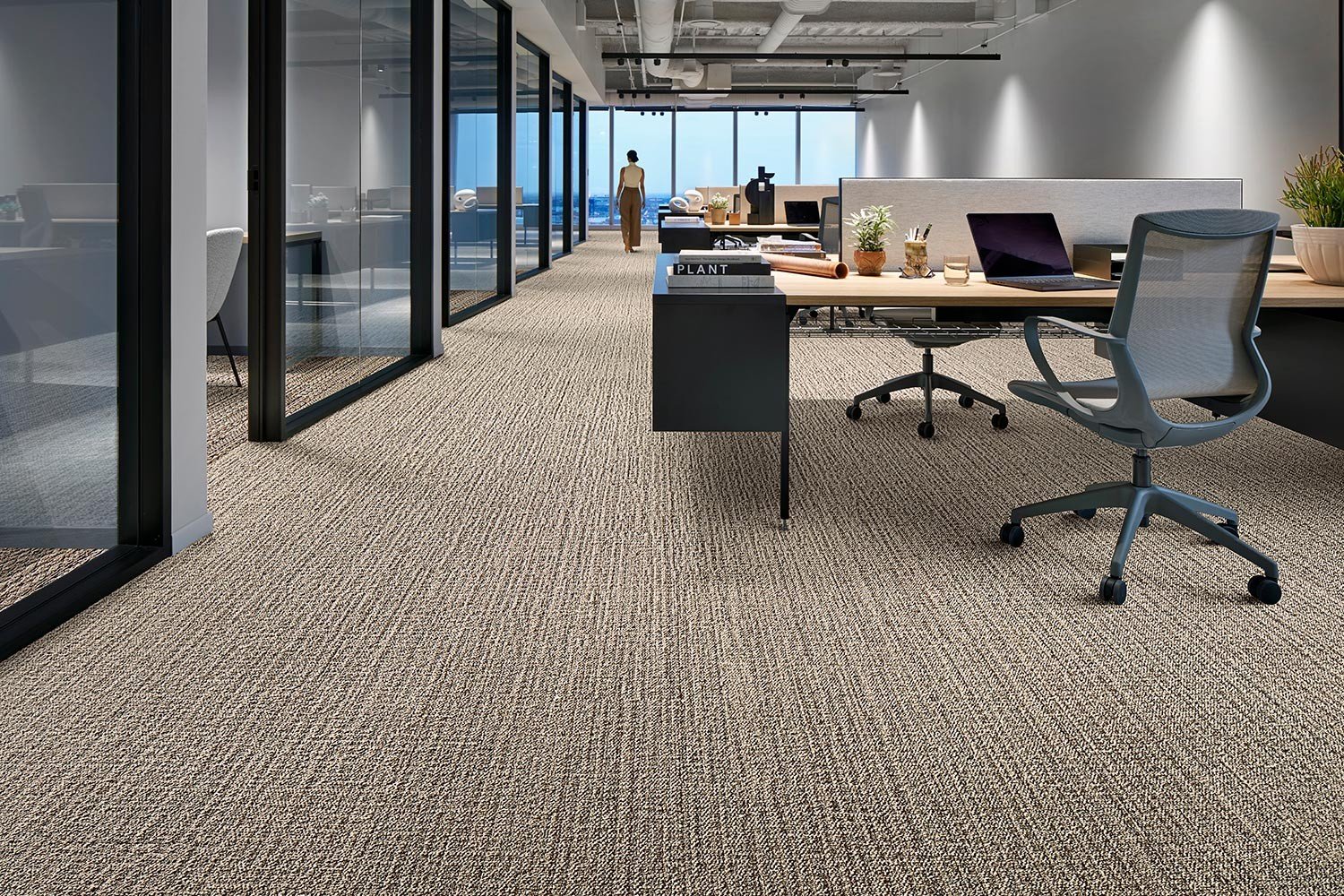
Two carpets can look almost identical in a showroom and behave very differently after a year of office use. The difference usually lies in details that are easy to overlook: fibre type, pile construction, backing, dye method and the quality of installation. This checklist breaks those details into plain language so buyers comparing Office carpet dubai can ask sharper questions and spot weak specifications before signing a contract. A little scrutiny at the buying stage prevents flattened pile, fading patterns and seams that start lifting long before the floor should need replacing.
Start with the fibre
Nylon is the workhorse of commercial carpet because it resists crushing, cleans well and holds its appearance in busy corridors. Polypropylene is usually cheaper and resists staining, but it can flatten faster under constant foot traffic and office chairs, making it better suited to lighter-use rooms. Polyester sits between the two on price and softness, while wool brings natural resilience and a premium feel at a higher cost. Blends try to combine strengths, so always ask what proportion of each fibre is present rather than accepting a vague description.
Solution-dyed fibres deserve special attention in sunny offices. Because the colour runs through the fibre itself rather than sitting on the surface, these carpets resist fading and can tolerate stronger cleaning chemicals when accidents happen. In a city where strong daylight pours through large windows for much of the year, fade resistance is not a luxury feature. Ask where the carpet will sit in relation to glass, and check whether the specification includes ultraviolet stability suitable for rooms that receive direct sun for several hours daily.
Pile construction and backing
Loop pile is the default choice for most commercial spaces because its tight, even surface resists wear and works well with wheeled chairs. Cut pile feels softer and looks richer, but it shows footprints and vacuum marks more readily, so it is often reserved for boardrooms and executive areas. A combination of cut and loop can add texture and disguise soil. Whatever the style, density matters: bend a sample back on itself and see how much backing shows. The less you can see, the more fibre is packed in to support the surface.
Backing holds everything together and influences sound, comfort and stability. Quality commercial backings resist edge ravel, keep tiles dimensionally stable and can add cushioning that reduces leg fatigue and impact noise. For tiles, check that the backing is compatible with the adhesive system the installer plans to use, especially over raised access floors where tiles must remain removable. For broadloom, ask how seams will be sealed and where they will fall, because a seam placed across a main walkway will always age faster than one tucked beneath furniture.
Ratings, warranties and honest comparisons
Commercial carpets are graded for use, from moderate office traffic to heavy contract environments with constant footfall. Match the grade to the busiest part of your floor, not the quietest, and be wary of domestic products offered for commercial rooms. Read warranties closely when pricing Office carpet dubai: a long wear warranty sounds reassuring, but check what it actually covers, whether it requires a specific maintenance regime, and whether stain and fade protection are included or sold separately. Keep the warranty documents with your facilities records after installation is complete.
Fire performance and indoor air quality also belong on the checklist. Commercial buildings usually require flooring that meets specific flame-spread and smoke standards, and your facilities or landlord team may need certificates before installation is approved. Low-emission products and adhesives reduce the new-carpet smell that can linger in air-conditioned offices and cause complaints in the first week. Ask for the relevant test certificates as part of the quotation, not after the order is placed, so any substitution can be caught before materials arrive on site.
Installation quality decides the result
Even the best carpet fails early if the subfloor is damp, uneven or contaminated with old adhesive. A professional installer will check moisture, level out ridges, acclimatise the materials in the room and plan the layout to minimise waste and awkward cuts. Confirm who is responsible for moving furniture, lifting the old flooring and disposing of it, and whether work will happen outside office hours. Photograph the prepared subfloor before covering it; those images are useful evidence if questions about preparation arise later during a warranty claim.
Do not forget castors and chair mats when reviewing a specification. The wrong chair wheels can chew through pile in months, especially on softer constructions, while suitable castors glide without digging in. Suppliers should confirm compatibility between the carpet, the furniture already in the room and any protective mats you plan to use, because replacing chairs is rarely part of a flooring budget.
Finally, judge suppliers on the completeness of their answers. A good checklist conversation covers fibre, density, backing, ratings, samples, spares, maintenance guidance and a written installation plan. If a quotation cannot explain those points clearly, the price is not really comparable with one that can. Buy the floor as a complete system, keep spare material from the same batch, and record the exact product name and colour code. That discipline turns a routine purchase into a floor that still performs and looks professional years later.
