

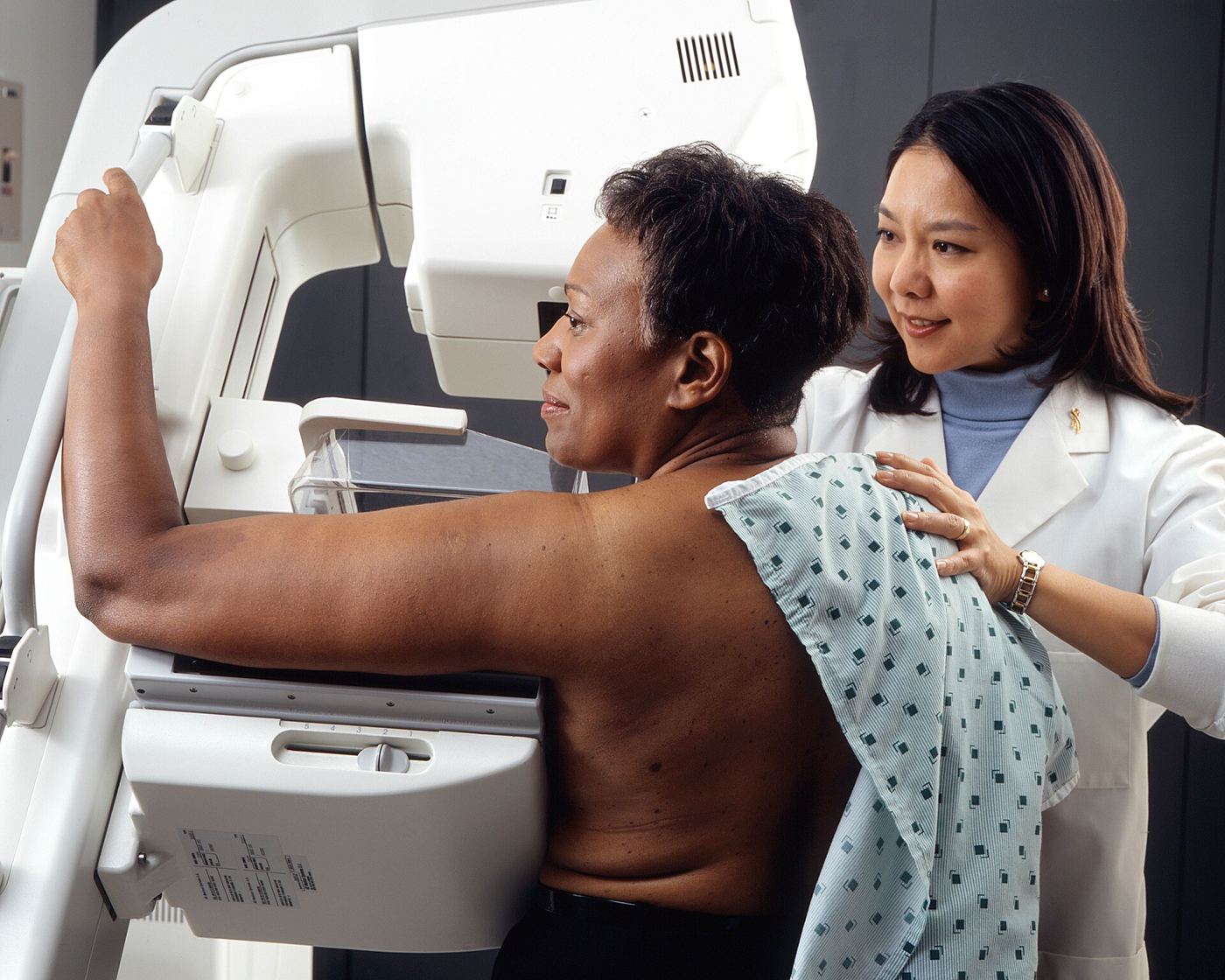
RadNet’s DeepHealth unit has won United States Food and Drug Administration clearance for Mammo Risk, an artificial intelligence tool that predicts a woman’s breast cancer risk from a routine 3D mammogram. The clearance was reported on 25 November 2026, and Mammo Risk is the first FDA-cleared image-based breast cancer risk prediction tool for 3D mammography. The software predicts risk over three, four and five years, helping doctors plan more personalised screening, including whether extra imaging is needed. It was trained on 220,000 mammogram studies and is now commercially available to American healthcare providers as part of DeepHealth’s Radiology AI Suite.
What the Evidence Shows
The clearance marks a shift in medical AI from spotting disease that is already there to predicting risk before it appears, which could change how screening is organised. Most women are screened on a fixed schedule, but a reliable risk score could mean closer monitoring for those at higher risk and less frequent testing for those at low risk. DeepHealth says the launch moves the company beyond cancer detection towards more preventive care. RadNet recently agreed to acquire ONRAD, a teleradiology provider, for 350 million dollars in cash and five million RadNet shares, as it builds a larger radiology business around its AI tools. Reporting and analysis from sources such as MIT Technology Review track the same developments, and specialists following the FDA clearance for Mammo Risk say the direction is now consistent across independent lines of evidence.
The Wider Context
The wider context is an industry learning to ship capability and restraint together. Products built around the FDA clearance for Mammo Risk now launch with safety evaluations, usage data and rollback plans as standard, because enterprise buyers and regulators ask for them in the first meeting. Companies that treated those questions as friction are discovering they have become the purchase criteria.
What Happens Next
What happens next for the FDA clearance for Mammo Risk depends less on another breakthrough than on the unglamorous work of reliability, pricing and support. The buyers evaluating it now are not enthusiasts; they are operators with budgets and auditors, and their checklists will decide the timeline. On the evidence of the current pilots, the technology has earned the right to be judged by them. You can follow related developments in our coverage of technology.
There is a practical lesson in all of this for readers deciding what to do today. Start with the verified facts, be wary of anyone promising certainty, and prefer reversible steps while the evidence is still developing. Circumstances differ by country, income and personal situation, so general guidance should always be weighed against your own context before you act on it in any significant or lasting way.
It is also worth remembering how quickly the picture in this area has changed before. Positions that looked settled a few years ago have been revised as new data arrived, and the same humility is appropriate now. The strongest coverage of this subject, and the most useful advice, tends to come from sources that update their views openly when the facts move, rather than defending an earlier position long after it has stopped fitting the evidence available.
