

Launching your first business is an exciting milestone. For many aspiring entrepreneurs, the thought of transforming an idea into a functioning company brings a mix of enthusiasm, fear, curiosity, and determination. Starting a business is not just about filling paperwork, picking a name, or opening social media pages.
It is a complete journey that involves understanding your market, building something people genuinely need, developing a brand that resonates, putting operational systems in place, and growing at a sustainable pace. This comprehensive roadmap walks you through every major step of the business-building process from concept to launch and beyond.
Instead of surface-level tips, you’ll gain in-depth guidance that helps you make informed decisions. Whether you’re launching a product, service, local store, or online venture, these steps provide the clarity and direction you need to start strong and scale effectively.
More Read: Little Caesars x Call of Duty: Redeem Pizza for Epic In-Game Rewards
Clarify and Validate Your Business Idea
Every successful business begins with a clear and well-defined idea. However, having an idea is not enough. You must validate it to ensure that there is real interest and real demand. Begin by reflecting on your passion and expertise. Ask yourself why this idea matters to you and whether you have the skills needed to commit to it long term.
When your business aligns with your passion and abilities, your chances of success significantly increase because you are more likely to stay consistent during challenging periods. The next step is to engage in basic market validation.
This involves speaking to potential customers, observing online discussions, reading reviews of similar products, or even offering a small test sample of your service. You need confirmation that people not only like the idea but are willing to spend money on it.
Validation gives you early insights into what your target audience wants and what they dislike, helping you refine your concept before investing heavily. Finally, understand the problem your business solves. Customers rarely buy a product just because it exists; they buy because it solves a problem or fulfills a desire.
Define the problem clearly, identify who experiences it, and determine how your idea offers a better, faster, or more affordable solution than what already exists. A validated idea provides a strong foundation for everything that comes next.
Conduct Thorough Market Research
Market research is the process of transforming assumptions into facts. It gives you a deeper understanding of your customers, your competitors, and the overall industry landscape. Start by identifying your target audience. Understand their age, location, lifestyle, motivations, struggles, and spending habits.
The clearer the picture of your ideal customer, the easier it becomes to tailor your product and marketing strategy. Next, study your competitors carefully. Look at businesses that offer similar products or services and analyze what they do well and where they fall short. This helps you identify opportunities to differentiate yourself.
You might discover gaps in customer service, pricing, or product quality that your business can fill. Competitor research is not about copying; it is about understanding the environment in which your business will operate. Finally, determine the size of your market and whether demand is growing, stable, or declining.
Use industry reports, local market data, and customer surveys to gather insights. The more you know about your market’s potential, the better you can predict sales, plan inventory, and set realistic goals. Thorough market research saves you from costly mistakes and positions your business for long-term success.
Develop a Solid Business Plan
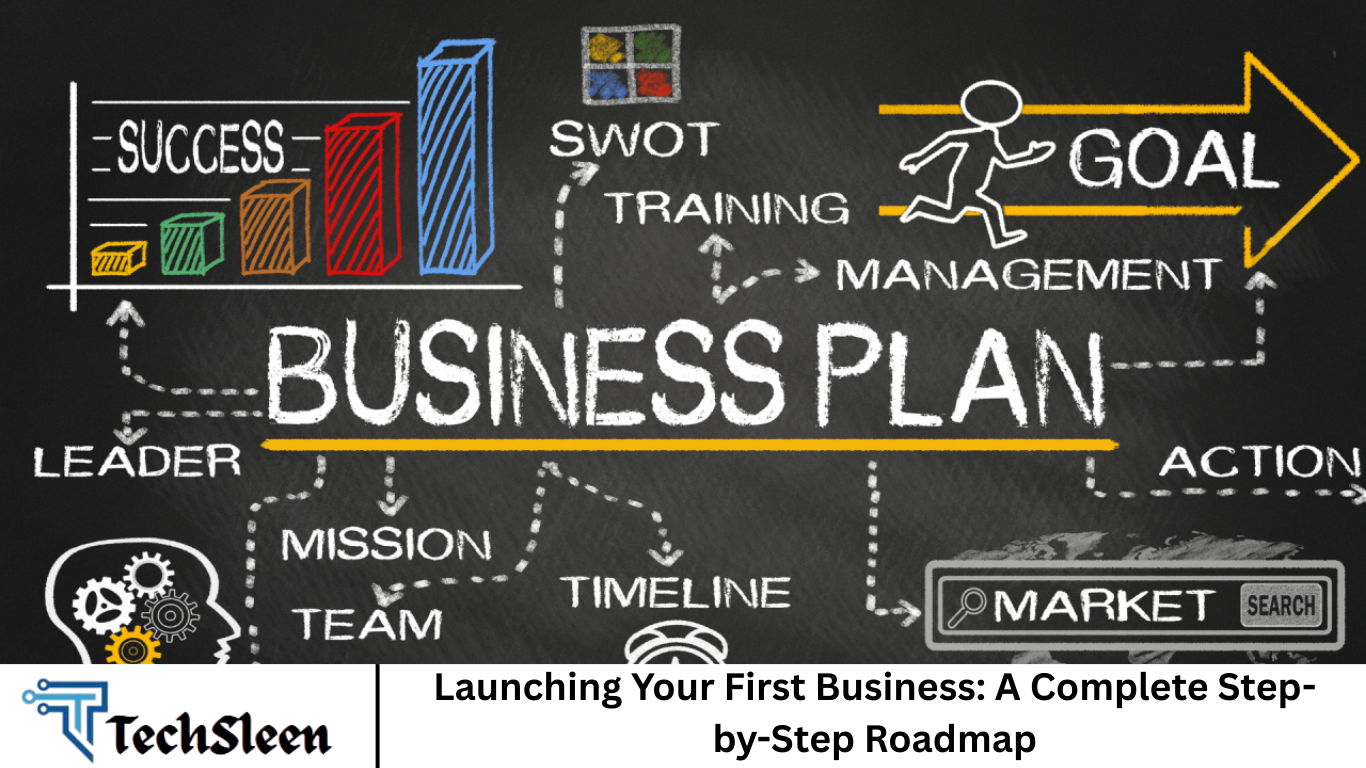
A business plan serves as your roadmap. It outlines your vision, goals, strategies, and the steps you will take to bring your idea to life. Even if you don’t intend to seek outside funding, creating a business plan gives structure to your thoughts and helps you stay organized.
Your business plan should clearly describe what your business does, who it serves, and what makes it different. Include an overview of your target market and competitors based on your earlier research. Explain your business model by outlining exactly how your company will generate revenue.
Describe your products or services in detail, highlighting the benefits they offer customers. A strong business plan also includes your marketing strategy. Explain how you will attract customers, what channels you will use, and how you will retain them.
Additionally, map out your operational plan, describing how your business will function day-to-day, where you will source materials, and what systems you will put in place. Finally, create a financial plan that shows your expected expenses, revenue projections, and funding needs. A business plan is not a one-time document; it evolves as your business grows.
Choose and Register Your Business Structure
Choosing the right legal structure is a crucial step because it affects your taxes, liability, ownership, and long-term growth. A sole proprietorship is the simplest option and gives you full control, but it also means you are personally responsible for all debts and liabilities.
Partnerships allow multiple people to share ownership, but the responsibilities and liabilities must be clearly defined. Many first-time entrepreneurs choose a Limited Liability Company (LLC) because it protects personal assets while offering flexibility in taxation.
Corporations are ideal for larger or fast-growing businesses that plan to seek investors, but they involve more regulations and paperwork. Once you choose a structure, register your business name, obtain a tax identification number, and apply for any necessary licenses or permits.
Depending on your location, you may also need zoning approvals or industry-specific certifications. Registering your business ensures legal compliance and protects you from future complications.
Establish Your Finances and Funding Strategy
Setting up your financial system early helps you avoid confusion and maintain control over your business’s money. Start by calculating your startup costs. These may include equipment, marketing, inventory, rent, software, or legal fees. Having a clear estimate helps you plan better and avoid overspending.
Next, open a separate business bank account. Keeping your personal and business finances separate makes accounting easier and provides clarity during tax season. It also helps you maintain a professional image.
Depending on your business model, you may need funding to get started. You can use personal savings, apply for small business loans, explore grants, or pitch to investors if your business has high-growth potential. Crowdfunding is another creative way to raise money while validating your idea at the same time.
Finally, create realistic financial projections. Estimate how much you will spend and earn during the first year. Identify your break-even point and plan how you will manage cash flow. Strong financial planning increases your chances of stability and long-term growth.
Build Your Brand Identity
Your brand is the personality of your business. It represents how customers perceive you and how they connect with your company emotionally. Building a strong brand begins with choosing a name that reflects your vision. The name should be easy to remember, simple to spell, and relevant to your industry.
Next, develop your visual identity. This includes your logo, color palette, and fonts. These elements should remain consistent across all customer touchpoints because consistency creates trust. Think about how you want your audience to feel when they engage with your brand.
Your brand voice should also reflect that feeling. Whether your tone is formal, friendly, playful, or authoritative, it should remain consistent in your marketing materials, emails, and social media posts. A strong online presence is essential in today’s digital world.
Create a professional website that clearly communicates who you are, what you offer, and why customers should trust you. Establish social media profiles and maintain an active presence. Even simple content, such as behind-the-scenes videos or educational posts, can help build trust and awareness.
Branding is more than visuals; it is about creating a memorable experience that keeps customers coming back.
Build and Launch Your Product or Service
Now it’s time to develop your product or refine your service offering. Focus on quality and ensure that your product solves the problem you identified earlier. Conduct thorough testing before launching to identify flaws and gather feedback. Early testers can help you improve the product and prepare it for the wider market.
Another important step is establishing your pricing strategy. Your prices should reflect the value you provide, align with customer expectations, and cover your operational costs. Pricing too low can make your business appear unreliable, while pricing too high can limit your market reach.
Additionally, set up your operational systems. This includes organizing your production or service process, managing suppliers, developing packaging, and establishing customer service procedures. Smooth operations help you build trust from the very beginning and create a strong foundation for future scaling.
Market Your Business and Acquire Your First Customers
Marketing brings your business to life in the eyes of customers. A strong marketing strategy begins by understanding how your audience behaves and where they spend their time. Social media platforms such as Instagram, Facebook, TikTok, and LinkedIn offer opportunities to reach customers through engaging content.
Paid advertising helps you attract people quickly, while content marketing builds long-term trust. Email marketing remains a powerful tool for nurturing relationships. You can offer guides, discounts, or exclusive content in exchange for email sign-ups, helping you build a loyal community around your brand.
Influencer partnerships can also boost visibility, especially for lifestyle, beauty, or fashion brands. Leverage your personal network as well. Let friends, family, coworkers, and community members know about your launch. Sometimes your first customers come from the people who already believe in you.
Consider hosting a launch event, either in person or online, to create excitement. A launch event gives people a reason to talk about your brand and boosts initial sales. Marketing does not stop after your launch; it is a continuous effort that shapes your reputation and drives your growth.
Set Up Sales Channels
A sales channel is the platform where customers buy your product or service. Your sales strategy depends on the nature of your business. Online businesses often choose to sell through a website, e-commerce platforms such as Shopify or WooCommerce, or marketplaces like Amazon, Etsy, or eBay.
These platforms allow you to reach global customers while keeping overhead costs low. Local businesses may choose physical locations, home offices, or pop-up shops. If you offer services, you may rely on consultations, appointments, subscriptions, or retainer arrangements.
Your business does not need only one sales channel. Many successful companies use multiple channels simultaneously to maximize exposure and convenience. The key is to choose the channels that align with your target audience’s buying habits.
Manage Operations and Scale Your Business
Once your business is up and running, your focus shifts from launching to maintaining and scaling. Begin by tracking your performance. Use analytics tools to monitor sales trends, customer behavior, website traffic, and marketing results. These insights help you identify what works and what needs improvement.
Customer service is another critical element of long-term success. Responding promptly to inquiries, handling complaints professionally, and delivering consistent value can turn first-time buyers into loyal customers. A satisfied customer is often the best form of marketing because word-of-mouth spreads quickly.
Look for ways to automate repetitive tasks to save time and reduce errors. Automation tools can help with social media scheduling, email marketing, inventory tracking, and accounting.
As your business grows, explore new opportunities. This may include expanding to new locations, adding new products, entering new markets, or hiring a team. Scaling requires careful planning, but it unlocks the potential for greater revenue and impact.
Frequently Asked Question
Do I need a business degree to start a business?
No, you do not need a business degree. Many successful entrepreneurs learned through experience, mentorship, and research. The most important qualities are passion, willingness to learn, and determination.
How much money is enough to start a small business?
The cost varies depending on the type of business. Some online businesses require very little investment, while physical stores may cost significantly more. The key is to calculate your startup costs before launching.
How long does it usually take to launch a business?
The timeline varies. Some businesses are ready within weeks, while others take months due to planning, licensing, funding, and product development.
Should I quit my job before launching my business?
You can start your business part-time while keeping your job for financial stability. Many entrepreneurs begin this way to reduce risk.
What is the most important step in starting a business?
Validation is the most important step. Ensuring that customers actually want your product or service protects you from investing in something that may not succeed.
How do I know if my business idea is good?
A good idea solves a real problem, has a clear target audience, and offers something different from existing solutions. Customer feedback is the best way to evaluate your idea’s strength.
What if my business does not succeed?
Failure is part of the entrepreneurial journey. Many successful founders failed one or more times before building thriving companies. What matters most is learning from mistakes and trying again with improved strategies.
Conclusion
Launching your first business is a bold step toward independence, creativity, and financial freedom. Although the journey can be challenging, the right roadmap makes it easier to navigate. By validating your idea, conducting thorough research, planning strategically, building a strong brand, and implementing effective marketing and operations, you set the stage for success.
Entrepreneurship is not a straight line; it involves learning, adapting, and staying committed to your vision. With patience and persistence, your business can grow into something remarkable.