

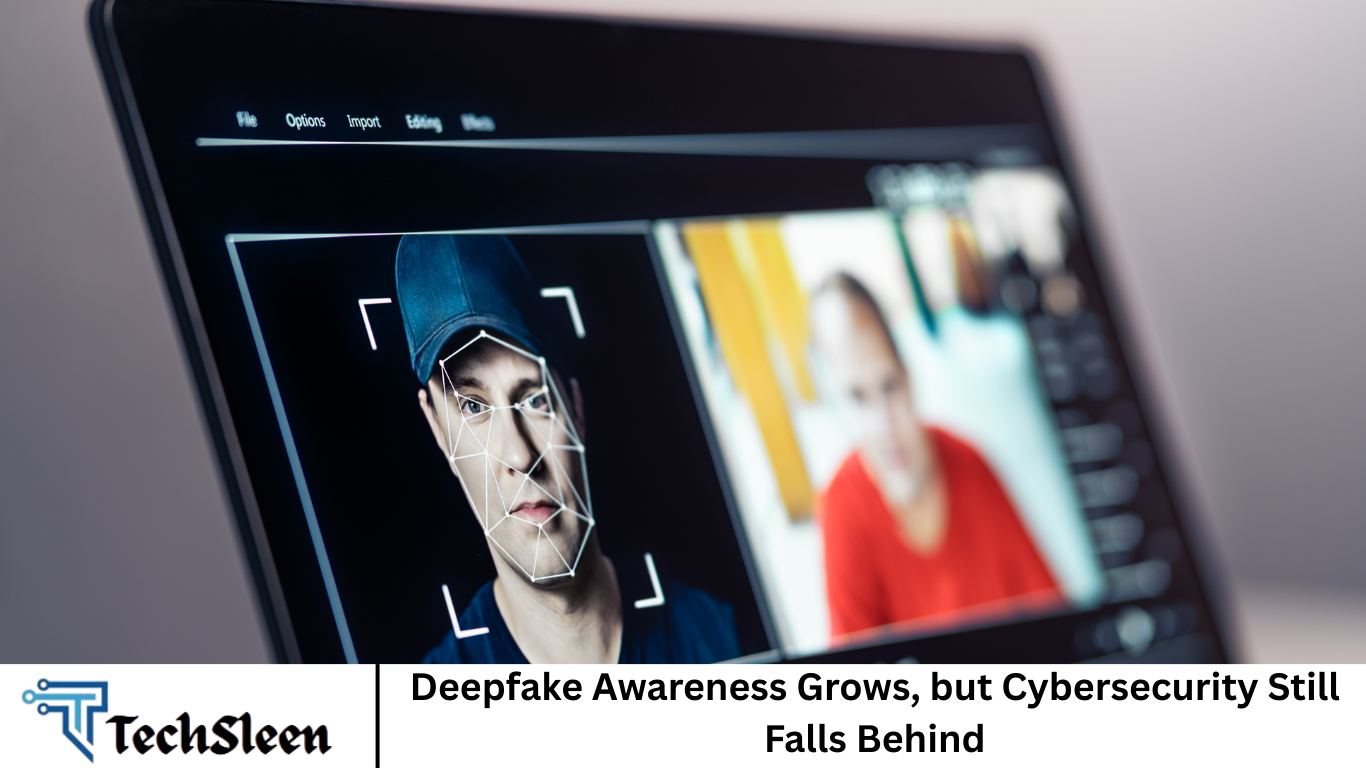
In just a few short years, deepfakes have evolved from experimental curiosities into one of the most alarming technological threats facing businesses, governments, and individuals today. Powered by advanced artificial intelligence and machine learning, deepfakes are hyper-realistic manipulated images, videos.
Awareness of deepfake risks has grown significantly. Most organizations now understand that synthetic media can be used to impersonate CEOs, manipulate stock prices, conduct fraud, spread political disinformation, or destroy reputations. But despite this growing awareness, one enormous problem remains: cybersecurity defenses are not keeping pace.
This comprehensive article explores why deepfake awareness is outpacing cybersecurity readiness, how organizations can better protect themselves, and what the future may hold as synthetic media becomes an inescapable digital reality.
More Read: Vacation Reflections: Diving Into AI and the Future Ahead
The Rise of Deepfakes: A New Frontier of Digital Deception
To understand the growing concern, it’s essential to examine the evolution of deepfake technology.
From Niche Technology to Mainstream Risk
Deepfakes began as AI-powered entertainment experiments on platforms like Reddit and YouTube. Early versions were glitchy and unconvincing. However, improvements in generative adversarial networks (GANs) and diffusion models have transformed deepfakes into nearly flawless replicas of human faces, voices, and movements.
Today’s tools can:
- Clone a person’s voice using less than 10 seconds of audio
- Generate realistic videos in minutes
- Produce high-resolution images indistinguishable from real photos
- Alter lip movements to fit entirely new dialogue
And most importantly—they are widely accessible, inexpensive, and easy to use.
Why Deepfakes Are More Dangerous Than Traditional Cyber Threats
Unlike viruses, malware, or DDoS attacks, deepfakes exploit human emotion and trust. They bypass technical firewalls and instead target psychological vulnerabilities.
They can be used to:
- Trick employees into transferring funds
- Manipulate public opinion
- Blackmail or extort individuals
- Spread fabricated political speeches
- Impersonate executives or public figures
- Damage brands or reputations
Because deepfakes function as both cyber and psychological weapons, they present a challenge that spans beyond traditional IT security.
Growing Awareness Across Organizations
The good news is that deepfake awareness is increasing rapidly. Executives, cybersecurity teams, and communicators are discussing the threat more frequently and recognizing its implications.
Leadership Teams Are Becoming More Informed
Many CEOs and board members now list deepfakes among the top emerging digital threats. This shift is largely driven by high-profile incidents, such as:
- Deepfake CEO voice scams costing companies millions
- Fake political speeches going viral
- Synthetic celebrity videos fooling massive online audiences
As organizations witness real-world examples, awareness naturally increases.
Employees Are Encountering Deepfakes in Their Daily Lives
The proliferation of deepfake face-swap videos on social media has introduced millions to the concept. Platforms like TikTok, Instagram, and YouTube inadvertently serve as educational arenas, exposing the public to both harmless and harmful uses of AI-manipulated media.
IT and Cybersecurity Departments Recognize the Threat
Technical teams understand how deepfakes can enhance phishing schemes, business email compromise (BEC), and identity fraud. They’re beginning to integrate deepfake detection into broader risk assessments.
Regulators and Governments Are Sounding the Alarm
Governments worldwide are discussing deepfake legislation, election security measures, and synthetic media disclosure requirements. Awareness at the policy level helps push organizations to take the threat more seriously.
Despite Growing Awareness, Cyber Defenses Still Lag Behind
While awareness is rising, action is not. Most organizations remain dangerously unprepared. This gap exists for several reasons.
Lack of Understanding About Technical Detection Tools
Many organizations are unaware that deepfake detection tools exist—or they assume they are too expensive or complex to implement. In reality, commercial and open-source tools can detect manipulated media with increasingly high accuracy.
However, organizations often lack:
- Knowledge on where to start
- Confidence in detection accuracy
- Teams trained to use the tools effectively
Without technical guidance, awareness does not translate into action.
Absence of Deepfake Policies and Incident Plans
While companies often have cybersecurity playbooks, few have specific procedures for deepfake incidents. This results in:
- Delayed decision-making
- Disorganized crisis communication
- Confusion about legal rights
- Unclear escalation protocols
A deepfake crisis can spread rapidly online. Without a predefined plan, damage multiplies.
Limited Employee Training
The most effective deepfake attacks target people, not systems. Yet most employees receive no training on:
- How to spot manipulated media
- How to verify suspicious audio or video messages
- Who to report possible deepfakes to
- How deepfake scams differ from typical phishing
Organizations often assume deepfake threats are “too technical” for employees, when in fact, training is essential.
Underinvestment in Synthetic Media Security
Budget constraints play a role. Many companies prioritize established threats such as ransomware, malware, and network breaches. Deepfake defense is often viewed as optional rather than critical.
The misconception is that deepfake attacks are rare—but the truth is they’re rapidly increasing in frequency and sophistication.
Rapid Evolution of Deepfake Tools
AI evolves faster than traditional cybersecurity systems. By the time a new detection technique is deployed, attackers may have already figured out how to bypass it.
Organizations face a moving target, and many cannot keep pace.
Real-World Consequences of Weak Deepfake Defenses
The consequences of inadequate deepfake readiness can be severe.
Financial Losses
One of the most alarming cases involved criminals creating a deepfake voice of a CEO, convincing an employee to transfer over $240,000. Similar attacks have cost businesses millions.
Reputation Damage
A single deepfake video can:
- Destroy a brand’s credibility
- Spark public outrage
- Go viral before the truth emerges
The speed of social media amplification makes the fallout even harder to control.
Security and Espionage Threats
Deepfakes can be used in:
- Corporate espionage
- Government intelligence operations
- Attacks against critical infrastructure
These threats extend far beyond financial scams.
Social and Political Manipulation
Deepfakes can influence elections, ignite conflict, spread propaganda, or reinforce harmful narratives. When people lose trust in digital media, they may also lose trust in democratic processes.
Psychological Harm
Deepfake harassment—such as non-consensual explicit videos—can cause long-lasting emotional trauma. As AI accessibility increases, personal deepfake abuse becomes more common.
Why Organizations Must Act Now
The gap between awareness and readiness is quickly becoming unsustainable. Several factors make immediate action essential.
Attackers Are Moving Faster Than Defenses
Cybercriminals and malicious actors are exploiting the novelty of deepfakes. Without robust protections, organizations are easy targets.
Public Trust Is at Stake
A world where “seeing is no longer believing” demands new standards of verification. Organizations must safeguard their digital authenticity.
Regulatory Pressure Is Increasing
Governments may soon require organizations to prove they have taken steps to detect and mitigate deepfake risks. Those who fail to adapt may face penalties.
Internal Communication Must Remain Reliable
If employees cannot trust internal audio or video messages, productivity and safety are compromised.
Prevention Is Cheaper Than Recovery
The cost of adopting deepfake detection tools and training programs is far smaller than the cost of reputation damage, lawsuits, or financial loss.
Building a Deepfake-Resistant Cybersecurity Strategy
Here are practical steps organizations can take to close the gap between awareness and defense.
Implement Deepfake Detection Tools
Modern detection tools analyze:
- Facial inconsistencies
- Audio irregularities
- Pixel distortions
- Eye blinking patterns
- Background compression artifacts
These tools can be integrated into communication platforms, email systems, and media workflows.
Create a Deepfake Incident Response Plan
This plan should include:
- Identification and verification procedures
- Internal reporting protocols
- Legal considerations
- Communication strategies
- External public response templates
Preparation reduces chaos during an actual event.
Train Employees to Recognize Deepfake Red Flags
Training topics should include:
- Unnatural speech patterns
- Mismatched facial expressions
- Strange lighting or reflections
- Unexpected executive requests
- Suspicious attachments or links
Human judgment remains an essential line of defense.
Establish Verification Procedures
Organizations should use:
- Multi-factor authentication for sensitive tasks
- Back-channel confirmations
- Digital watermarking for legitimate media
- Secure communication channels
These steps help prevent social engineering attacks.
Invest in AI Tools for Content Authentication
Blockchain-based verification and cryptographic watermarking help prove that audio or video content is authentic and unaltered.
Collaborate with Cybersecurity Experts
External consultants, AI specialists, and incident-response teams can provide tailored solutions for emerging deepfake risks.
Promote a Culture of Skepticism
Healthy skepticism is vital. Encourage employees to question unexpected communications—especially those involving money, access, or sensitive data.
The Future of Deepfakes and Cybersecurity
Deepfake technology will continue to evolve, bringing both new challenges and opportunities.
More Realistic Deepfakes Are Coming
AI models will soon produce:
- Real-time deepfake videos
- Fully synthetic identities
- Seamless voice cloning in any language
- AI “agents” that impersonate individuals online
This increases the urgency for defensive measures.
Detection Will Become More Automated
AI-powered detection systems will eventually run in the background of every major communication platform, similar to spam filters today.
Global Regulations Will Tighten
Governments may enforce:
- Mandatory digital watermarking
- Criminal penalties for malicious deepfake creation
- Restrictions on AI impersonation tools
- Requirements for identity verification in online media
Public Education Will Improve
Just as phishing awareness became widespread over the past decade, deepfake literacy will become a standard part of digital citizenship.
Cybersecurity Will Integrate with Media Forensics
Future cybersecurity teams will include digital forensics specialists capable of analyzing manipulated media in real time.
Frequently Asked Question
What exactly is a deepfake?
A deepfake is a piece of manipulated audio, video, or image content created using artificial intelligence. It can convincingly imitate a real person’s face, voice, or actions, making it difficult to distinguish from authentic media.
Why are deepfakes such a serious threat to organizations?
Deepfakes bypass technical defenses and target human trust. They can be used for fraud, impersonation, misinformation, blackmail, and political manipulation. Their realism makes them especially dangerous.
How can employees detect deepfakes?
Employees should look for unnatural blinking, inconsistent lighting, audio distortions, mismatched lip movements, or surprising requests from executives. Training is essential for improving detection skills.
Are deepfake detection tools reliable?
Detection tools are improving rapidly, with many offering high accuracy. However, they must be paired with human judgment and verification procedures to ensure strong protection.
Can deepfakes be prevented?
Deepfakes cannot be fully prevented, but organizations can reduce risk through authentication tools, employee training, secure communication channels, and AI-based detection systems.
Do all organizations need a deepfake incident response plan?
Yes. Any organization communicating digitally—including through email, video calls, or corporate media—is vulnerable. A dedicated plan ensures faster and more effective responses.
What should an organization do if it becomes a victim of a deepfake attack?
Immediately verify the content, notify legal and cybersecurity teams, alert internal staff, issue a public statement if necessary, and contact platforms hosting the malicious content. Quick action helps limit the damage.
Conclusion
Deepfake awareness is clearly rising—but awareness alone is not a defense. As deepfake tools become more accessible, realistic, and weaponized, organizations must recognize that the threat is no longer theoretical. It is active, evolving, and capable of causing financial loss, reputational harm, and widespread misinformation.
To bridge the gap between knowledge and readiness, organizations need a multi-layered defense strategy combining technology, policies, training, and cultural vigilance. Cybersecurity can no longer focus solely on traditional threats. The future of digital trust depends on addressing the deepfake challenge head-on.