

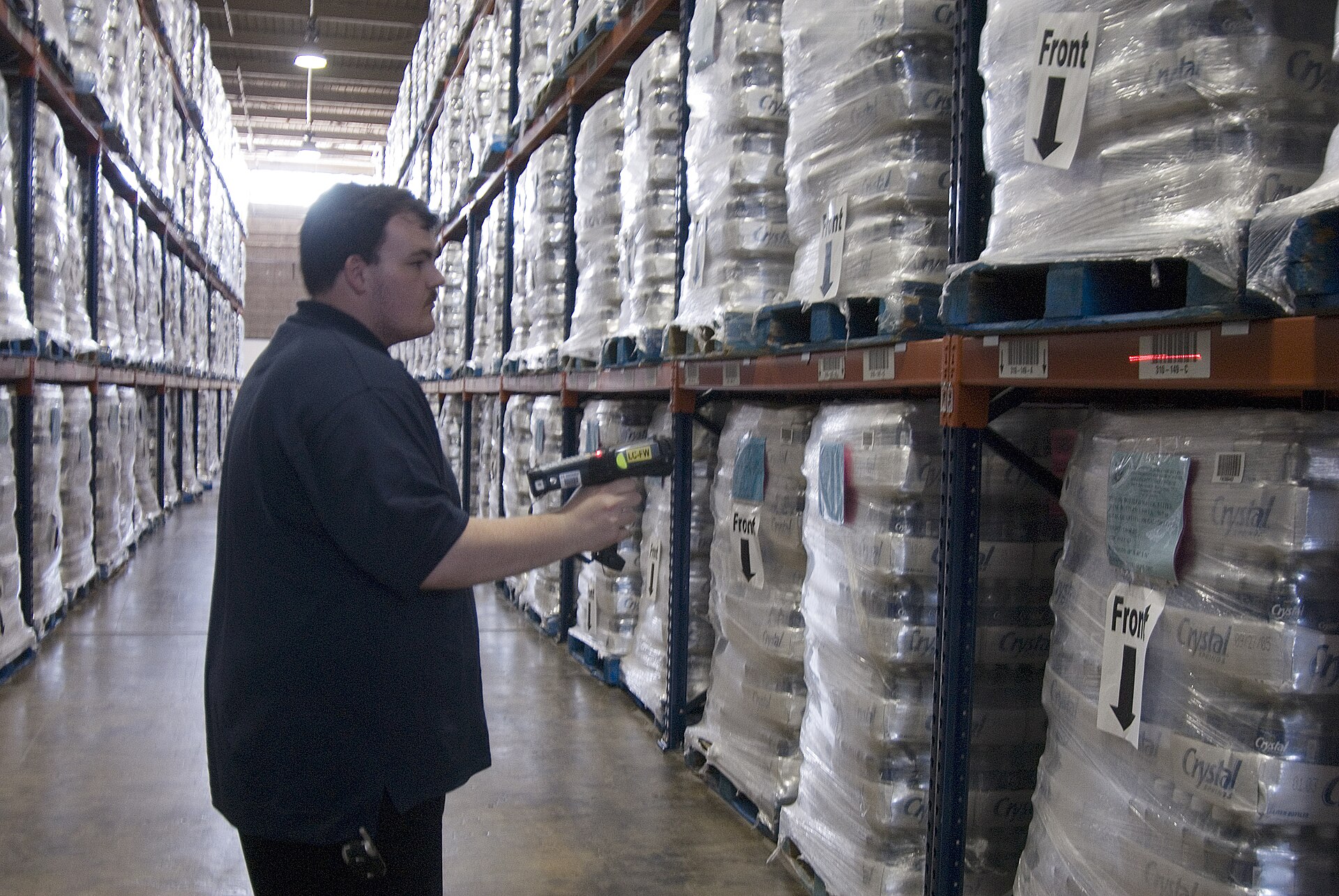
Walk into a modern fulfilment centre and the first thing you notice is what is missing: people walking. A generation ago, order pickers covered marathons daily among the shelves; today, in automated facilities, shelf-carrying robots bring goods to stationary workers, robotic arms handle the regular shapes, and humans concentrate on the irregular, the fragile and the exceptions. The robot fleet in a single large operator’s network now numbers in the hundreds of thousands. The automation wave in logistics is not coming. It has been running for a decade — long enough to judge what it actually did to jobs.
The headline finding surprises both camps. Warehousing employment grew through most of the automation era, because e-commerce demand grew faster than productivity; the US Bureau of Labor Statistics counted warehouse jobs expanding even as robot density soared. What changed was the work’s content and its costs. Walking injuries and turnover fell where goods-to-person systems arrived; pace pressure and repetitive-strain complaints rose where algorithms set relentless rates. New roles materialised — robot technicians, flow controllers, exception handlers — typically fewer than the picking roles reshaped, typically better paid, and typically requiring training that employers have been slow to fund.
The Economics Driving It
Labour scarcity, more than labour cost, is the operators’ honest explanation: chronic vacancies and 30-plus per cent annual turnover make automation a survival strategy in many markets. Robotics vendors tracked by the International Federation of Robotics report logistics among the fastest-growing segments for service robots, with systems increasingly sold as a subscription — robots-as-a-service — that lowers the entry cost for mid-sized warehouses. Each generation handles more of the product range; the human monopoly on “weird-shaped item in a poly bag” narrows yearly. Our business coverage follows the sector in our technology section.
The Bargain Being Struck
The Last Fifty Feet
For all the fleets and arms, the frontier of warehouse automation remains comically specific: the polybag. Soft, shifting, transparent or reflective packaging defeats grippers and vision systems that handle boxes flawlessly, and the long tail of e-commerce is made of polybags. This is why the human picker persists — not as a transitional embarrassment but as the most general-purpose manipulation system ever deployed, hired by the million to handle the exceptions the robots route around. The research race — tactile sensing, learned grasping, suction and soft robotics — closes the gap yearly, and each closure moves the human role further up the exception chain: from picker, to problem-solver, to the person who handles what the system has never seen. The warehouse is becoming a place where machines do the routine at scale and humans do the unprecedented, which is either automation’s threat or its oldest promise, depending on who writes the rota.
Safety data is rewriting the warehouse’s reputation in parallel. The fulfilment centre has been among the most injury-prone workplaces in the modern economy — strains, collisions, the cumulative damage of ten thousand lifts — and the tasks robots absorb first are disproportionately the ones that hurt people. Operators report the pattern in their injury statistics before their productivity ones, and regulators have begun to notice the correlation. The humane warehouse and the automated warehouse, long cast as opposites in the debate, increasingly turn out to be the same building. The argument worth having is not whether the machines should come, but who owns the dividend when the work stops breaking the workers.
The mature question is not humans versus robots but the terms of their collaboration: who sets the pace, who owns the productivity gains, and who pays for retraining. Facilities that involved workers early and shared gains report smoother adoption; those that automated by ambush report sabotage, attrition and headlines. The warehouse, society’s sorting machine, is where automation’s future is being negotiated in its most concrete form — one tote, one shift, one contract at a time.
