

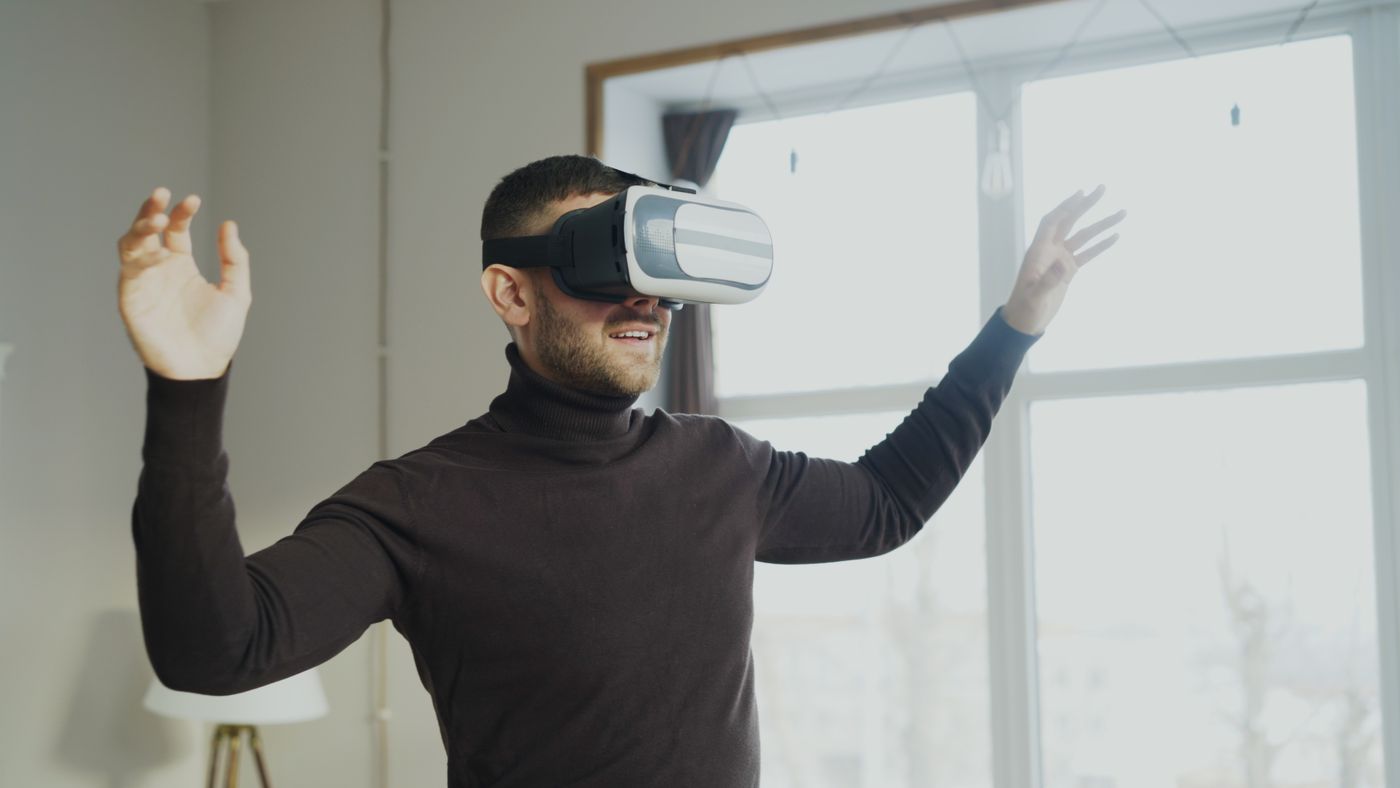
Walking in virtual reality without walking into your furniture has been VR’s unsolved problem for a decade. Virtuix is betting its partnership with Meta can change that: the company will sell its Omni One omnidirectional treadmills bundled with Meta Quest headsets, packaging full-body movement and a market-leading headset into a single purchase.
What the Omni One actually does
The Omni One is a compact, dish-based treadmill. Players stand in a low-friction bowl wearing special overshoes and a waist harness, and walk, run, crouch and turn in any direction while staying in one spot. Sensors translate that movement into the game, so your legs, not a thumbstick, carry you across virtual worlds. Virtuix has supplied similar systems to arcades and military trainers for years; the Omni One is its push into the home, designed to fit in a living room corner and fold the experience into consumer hardware. Our Gaming coverage has followed the platform since its earliest prototypes.
Why the Meta bundle matters
Standalone is the key word. Quest headsets need no gaming PC, which removes the biggest cost and complexity barrier that kept earlier VR treadmills in enthusiast territory. Bundling means the treadmill, headset and setup process are sold and supported as one system, with games that support natural movement presented front and centre. For Meta, whose Quest platform dominates consumer VR, the deal adds a premium, high-engagement accessory category without building the hardware itself.
For Virtuix, detailed at virtuix.com, distribution and credibility are the prizes: a place in front of the Quest audience is worth more than any trade-show demo.
Gaming first, fitness close behind
The obvious market is gaming, where natural movement deepens immersion and reduces the motion sickness that thumbstick locomotion causes many players. But the quieter story is fitness. A vigorous Omni One session is genuine exercise, closer to hiking than to waggling controllers, and VR fitness has already proven it can retain users who abandon gym memberships. A bundled treadmill-plus-headset positions the system as both console and cardio machine, a combination home-fitness brands have chased for years.
The hurdles are real
None of this makes the bundle cheap or universal. VR treadmills remain premium hardware, the game library optimised for true walking is still growing, and players need dedicated floor space and tolerance for a harness. Content support will decide the platform’s fate: developers must design for physical movement, not bolt it on, and the catalogue needs flagship titles that feel impossible any other way.
Even with those caveats, the partnership is a milestone. Two of VR’s persistent fragments, display and locomotion, are being sold as one product by two companies that each lead their half of the problem. If any combination can move VR walking from trade-show curiosity to living-room fixture, it looks like this one. More gaming news lives on our homepage.
What developers and buyers should watch
For developers, the bundle creates a defined hardware target worth designing for, something VR locomotion has always lacked. Studios can now assume a meaningful installed base of players who can walk, strafe and turn physically, and build movement-first mechanics, exploration, stealth, sports and fitness titles especially, with confidence that the audience exists. Expect storefront featuring to matter enormously in the early months, as the first wave of optimised titles defines what buyers believe the system is for.
For buyers, the sensible questions are practical: how much clear floor space the setup really needs, how the harness fits different body types, how loud and durable the base is under daily use, and how strong the refund and support terms are when the seller is a bundle of two companies. None of these are reasons to dismiss the launch. They are the ordinary questions every platform must answer on its way from enthusiast hardware to household appliance, and the Meta partnership gives Virtuix its best platform yet for answering them.
