

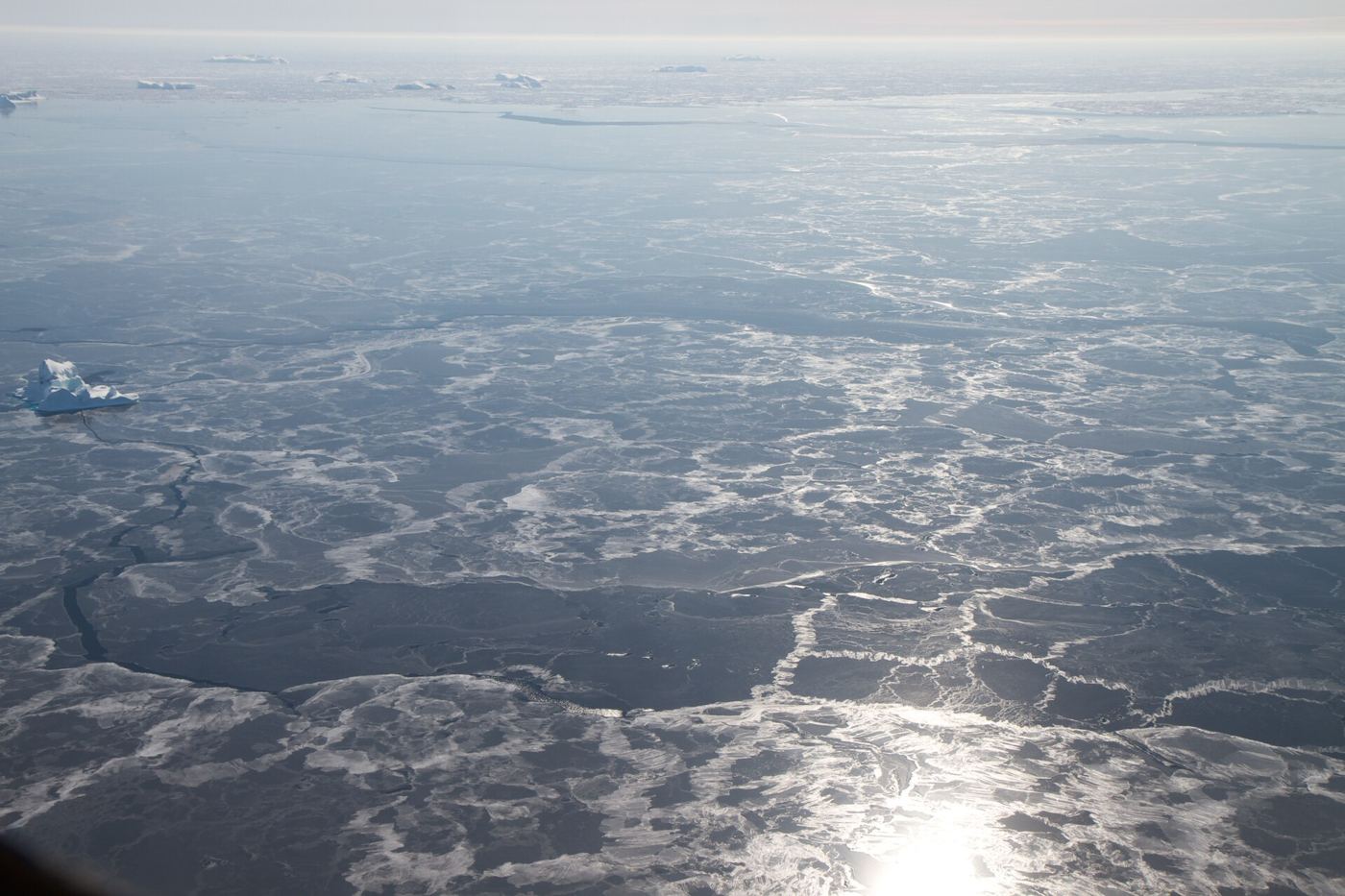
Arctic sea ice reached its winter peak on 22 March 2025 at just 14.33 million square kilometres, the smallest winter maximum since satellite monitoring began in 1979. The figure was 1.31 million square kilometres below the 1981-2010 average and about 80,000 square kilometres below the previous record low, set in March 2017. Sea ice extent had been at or near record low levels since December, and February 2025 also set a record low for the month. The winter peak matters because it is the high-water mark of the ice year: the ice grows through the dark polar winter and then melts through the summer, and a small winter maximum leaves less ice to survive the melt season. The September 2025 summer minimum reached 4.60 million square kilometres, the tenth lowest on record.
What the Evidence Shows
The decline is part of a long-term trend driven by warming, and all ten of the smallest winter ice extents in the satellite record have occurred since 2007. The rate of decline in March is about 2.5 percent per decade, and the ice that remains is younger and thinner than it used to be: at the end of summer 2025 it was 28 percent less extensive than in 2005. Less ice means more dark ocean absorbing sunlight, which warms the water further and melts more ice, a feedback loop that speeds the change. The consequences reach beyond the Arctic, because sea ice helps regulate the planet’s temperature and influences weather patterns in the northern hemisphere. Scientists say the record winter of 2025 is a reminder that the Arctic is changing faster than almost anywhere else on Earth. Reporting and analysis from sources such as NASA track the same developments, and specialists following record low Arctic winter sea ice say the direction is now consistent across independent lines of evidence.
The Wider Context
Funding bodies are watching record low Arctic winter sea ice closely because the work sits at the junction of basic curiosity and practical return. Grant panels increasingly ask for a path from discovery to application, while researchers push back that the most valuable uses of fundamental science are rarely the ones written into the original proposal. The tension is productive when both sides stay honest about timescales.
What Happens Next
The long view on record low Arctic winter sea ice is that fields advance by accumulation rather than by single announcements. This result adds a solid, checkable piece to a structure many teams are building, and its authors have shared their data so the piece can be tested from every side. That is how the picture eventually becomes reliable enough to act on. You can follow related developments in our coverage of science.
It is also worth remembering how quickly the picture in this area has changed before. Positions that looked settled a few years ago have been revised as new data arrived, and the same humility is appropriate now. The strongest coverage of this subject, and the most useful advice, tends to come from sources that update their views openly when the facts move, rather than defending an earlier position long after it has stopped fitting the evidence available.
