

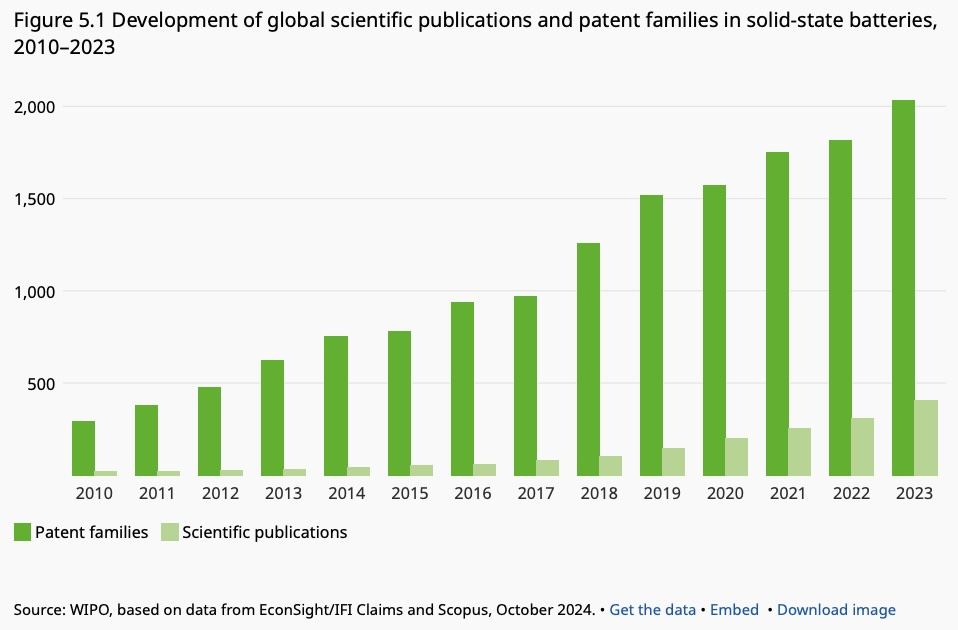
For a decade, solid-state batteries have been five years away. This year the tone from manufacturers changed: pilot lines are running, sample cells are in the hands of carmakers, and the first limited-production vehicles using the technology are scheduled rather than merely promised. The chemistry replaces the flammable liquid electrolyte in today’s lithium-ion cells with a solid layer, promising higher energy density and faster charging.
The attractions are obvious. A solid electrolyte is far less prone to catching fire, and pairing it with a lithium-metal anode could store roughly twice the energy in the same space. For electric vehicles that means either much longer range or a smaller, cheaper pack delivering today’s range.
Why it has taken so long
Making the cells in a laboratory is one thing; making millions of them, defect-free, at automotive cost is another. Solid layers can crack as the battery cycles, tiny metallic filaments called dendrites can pierce the separator, and the pressures needed to keep layers in contact complicate pack design. Each problem has attracted a different engineering fix, which is why the industry has not converged on a single design.
The International Energy Agency notes that battery innovation is now as much about manufacturing yield as chemistry. Factories that master dry-room production and high-speed stacking will decide which company’s cells reach cars first, a point our energy coverage has tracked through several pilot announcements.
What drivers will notice first
Early solid-state models will be premium and low-volume, sold as technology flagships. The mass-market impact arrives when costs fall, probably late this decade. Analysts expect hybrid designs — part solid, part liquid — to bridge the gap, appearing first in high-end cars, aviation and premium electronics.
The supply chain behind the science
Behind the chemistry sits a materials question. Solid-state designs compete for some of the same lithium the current industry strains to supply, and their manufacturing demands new equipment — dry rooms of unprecedented stringency, precision stacking machinery, isostatic presses. Battery giants and startups alike are signing equipment and materials deals years ahead of volume production, a tell that the industry believes its own timeline this time. Governments have noticed too, folding solid-state into industrial strategies and subsidy programmes on three continents, on the argument that whoever industrialises the technology owns the next decade of the vehicle market.
There is also a recycling dividend in prospect: solid-state packs promise simpler disassembly and more recoverable lithium than today’s glued, liquid-filled designs, though recyclers caution that every new chemistry restarts their learning curve as well.
For drivers, the practical advice is unchanged: today’s lithium-ion cars are mature and improving yearly. But the direction of travel is set. The battery that defined the first EV era now has a credible successor moving from press release to production line.
